
CreteImmersion

A travel journal of Crete

Crete, the way you remember it

An island where turquoise seas meet white mountains, where every village holds three thousand years of history, and where you leave with something different.

Why Crete

More than an island — a world

You come to Crete for its beaches. You return for everything else.

Cradle of the Minoan civilisation — Europe's oldest — Crete wears its three thousand years in the open air. The palace of Knossos, the Venetian lanes of Rethymnon, Ottoman minarets and Byzantine chapels tucked into the olive groves: the past isn't kept in museums here, it's in the stones you walk on every day.

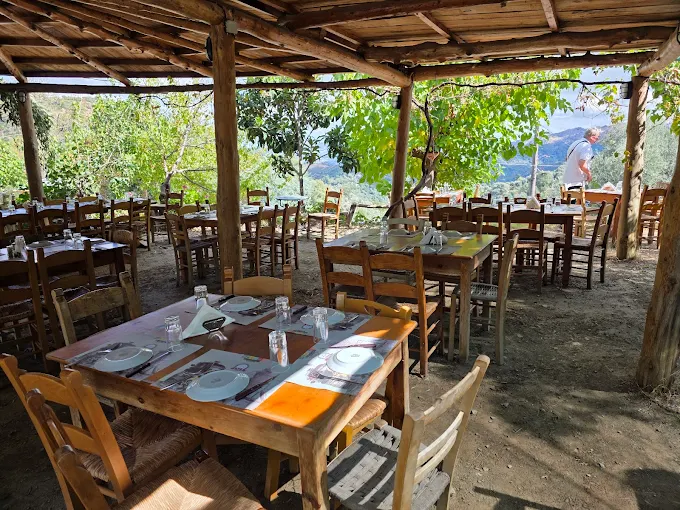
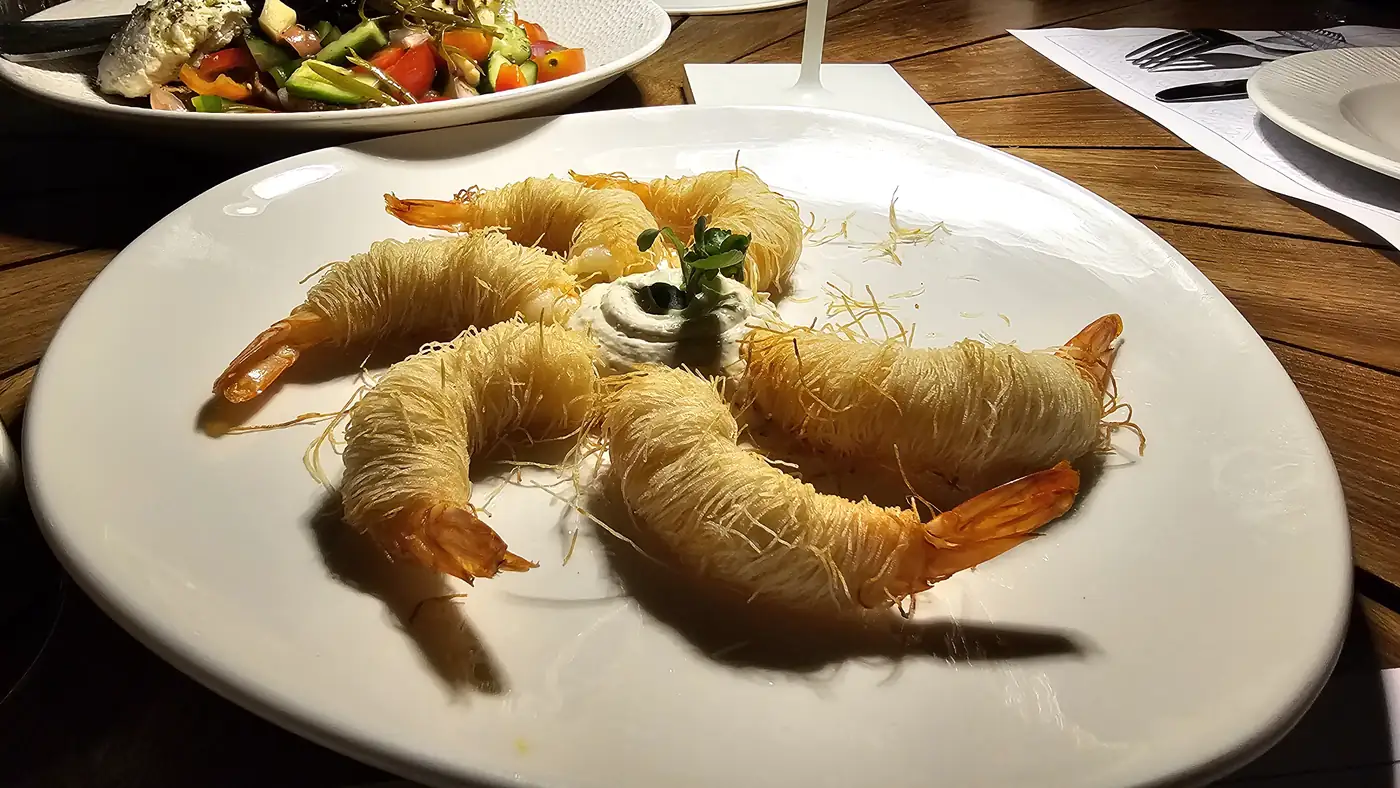
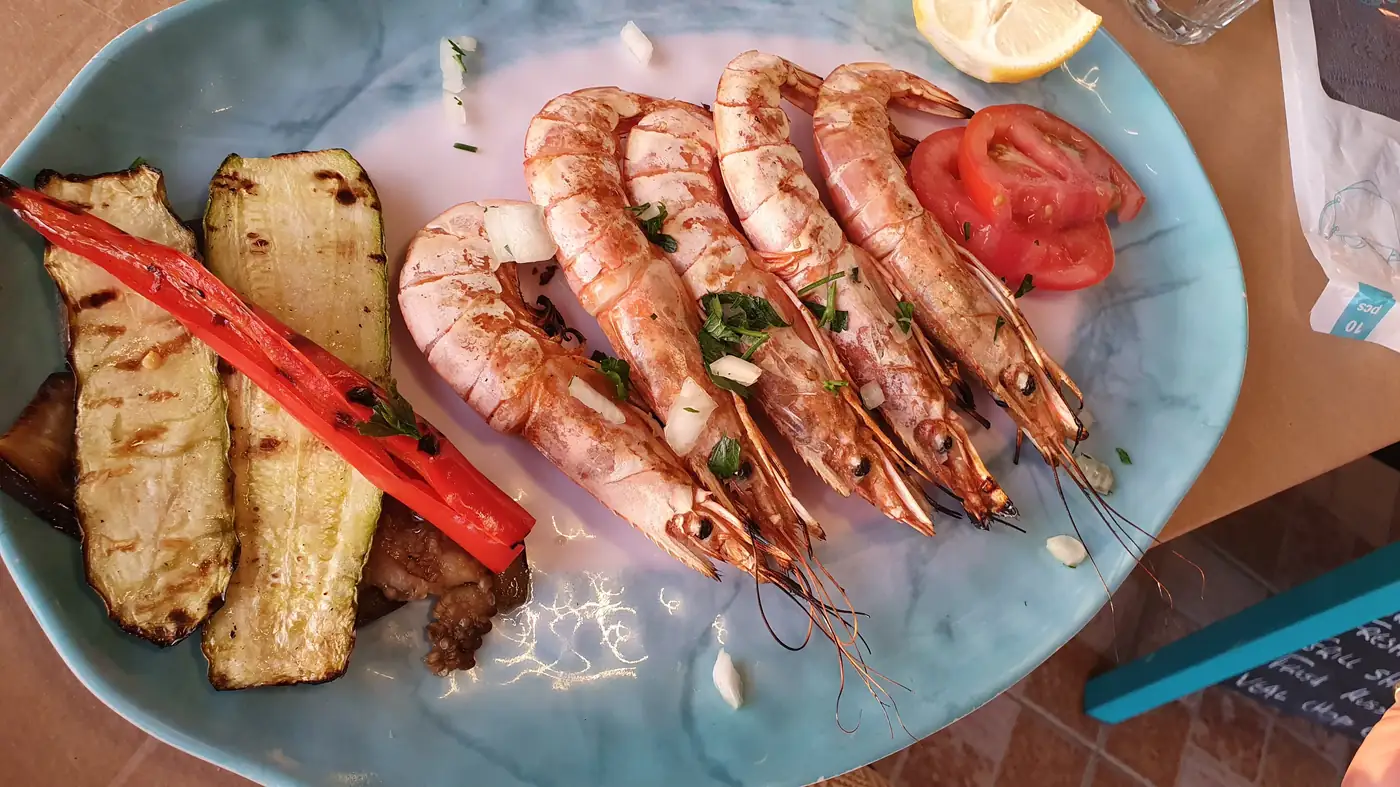
Then there's the table. A cuisine born of land and sea: cold-pressed golden olive oil, mountain cheeses that smell of wild thyme, charcoal-grilled fish at the water's edge, raki poured without asking. In a Cretan taverna, you don't just have dinner — you stay.

To the south, the Samaria Gorge cuts through the Lefka Ori for 16 kilometres. It's not an easy walk: the first few kilometres descend on rocks that tourists in flip-flops bitterly regret. But at the end, a cove reachable only on foot or by boat, and the satisfaction of having earned something.

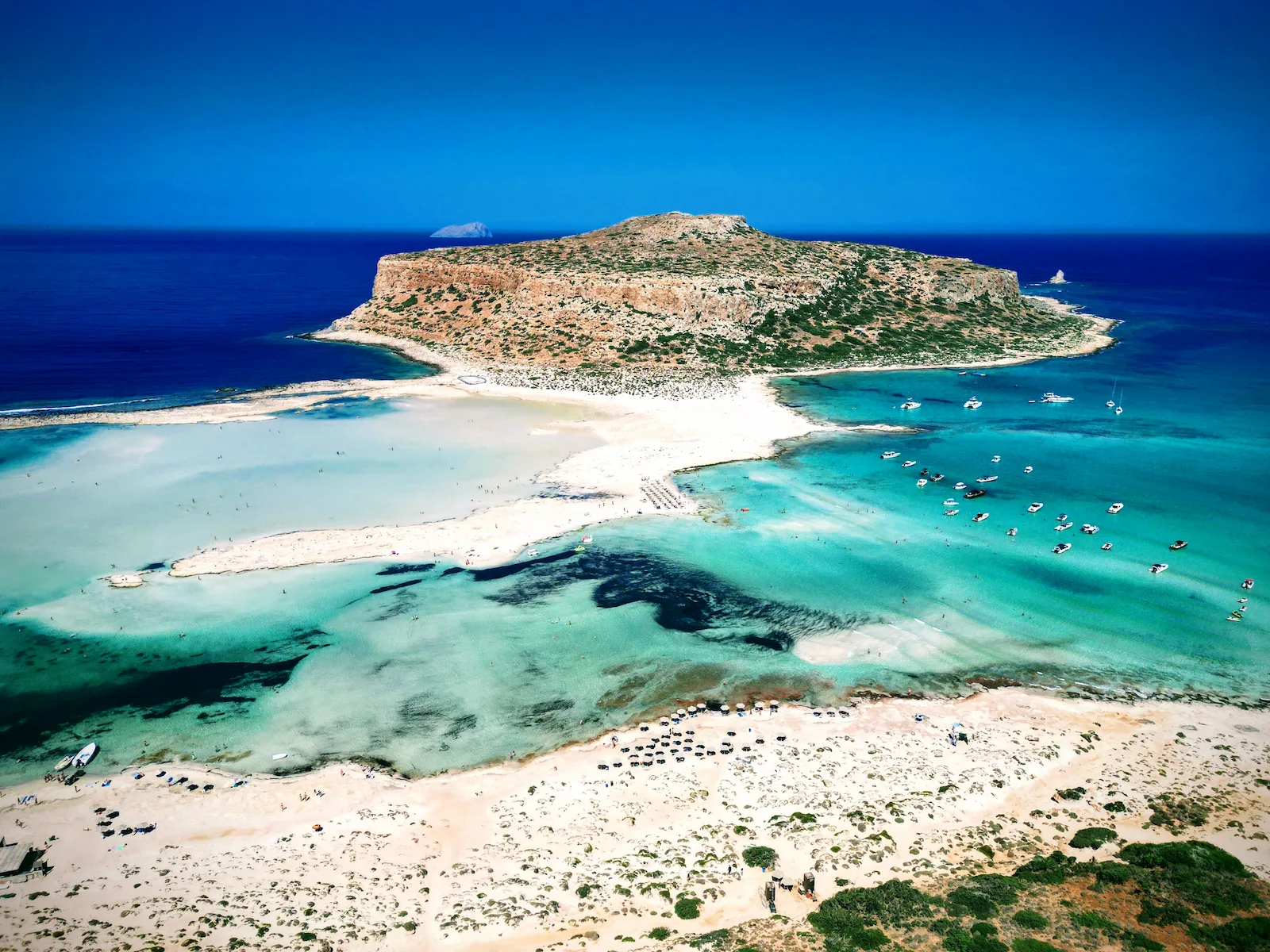
There's Balos and Elafonisi, of course — those turquoise lagoons you find on every screen. They live up to their reputation, provided you arrive before 9am or after 5pm. But the most interesting Crete is the one you discover by moving away from the lists: a mountain village on a Monday morning, a taverna with no English menu, a fishing harbour at dawn.

50+guides & pages
20mapped places
6detailed itineraries
4languages · FR EN IT DE
Map

Crete is immense, and its secrets are well guarded. To save you from getting lost in endless lists, we've built a unique tool. Tell us who you are and what your pace is: our engine will craft your perfect roadmap.

Design my bespoke itinerary

This is an editorial planning tool — not a booking engine.

Depart

Itineraries ready to go

Five field-tested roadmaps for every pace and every length of stay.

West: Balos, Elafonisi, Chania from a single base.
7 days
Classic trip

West: Balos, Elafonisi, Chania from a single base.

View itinerary →
The full crossing — from Balos to Knossos without compromise.
14 days
Total road trip

The full crossing — from Balos to Knossos without compromise.

View itinerary →
Gentle beaches, simple logistics, zero risky mountain roads.
7 days
Family

Gentle beaches, simple logistics, zero risky mountain roads.

View itinerary →
Samaria, Seitan Limania on foot, Balos piste by 4WD.
7 days
Hikers & sporty

Samaria, Seitan Limania on foot, Balos piste by 4WD.

View itinerary →
Matala, Preveli and Plakias far from the tourist circuit.
7 days
Slow travel

Matala, Preveli and Plakias far from the tourist circuit.

View itinerary →
All 5 itineraries
Understand

The guides that matter

Five reads before you leave — terrain, logistics, decisions.

Road trip with two teenagersRoad log

Road trip with two teenagers

Knossos in the heat, forgotten bends, nameless coves. Unfiltered.

Read →
Samaria Gorge: the real difficultyHiking

Samaria Gorge: the real difficulty

16 km of scree, brutal logistics, boat back. Everything they don't tell you.

Read →
Renting a car without getting ripped offLogistics

Renting a car without getting ripped off

Asphalt-only clauses, debit card deposits, 4WD vs city car: the full protocol.

Read →
Best Hotels & All-Inclusive in CreteAccommodation

Best Hotels & All-Inclusive in Crete

18 addresses — infinity pools, private coves, Venetian mansions. The Split-Stay strategy.

Read →
Boat Trips & Cruises in CreteSea & Sailing

Boat Trips & Cruises in Crete

The Balos Hack, catamarans to Dia, Sisi sunsets: 7 verified operators.

Read →
All 12 field guides
Explore

Across the island

The places that tell the story of Crete, from the western tip to the eastern capes. Click a point to discover it.

Sea of CreteLibyan SeaWhite MountainsPsiloritisDiktiGavdosDiaChrissiChaniaRethymnoHeraklionPlakiasMatalaBalosElafonisiPreveliVaiCrete
West

Balos Lagoon

Wild lagoon, earned access

Balos is not a place you stumble upon. You have to mean it.

In-depth guides — Gulf of Mirabello & eastern Crete

Agios NikolaosSpinalongaLatoGourniaSitia & the eastMochlosKritsaBattle of Crete
Discover

The places that stay with you

Each has its own light, its own rhythm — and its drawbacks they don't always tell you about.

01
WestWild lagoon, earned access

Balos Lagoon

Balos is not a place you stumble upon. You have to mean it.

The track from Kastelli sets the tone early: 8 kilometres of gravel, hairpin bends with no barriers, and dust that gets into everything. Rental cars scraping their undersides on rocks, tourists turning back at the first switchback. Those who push on arrive at the car park with a mix of relief and apprehension.

Then comes the descent. A well-marked but steep path, 20 minutes in full sun if you arrive at midday. At the bottom, the landscape changes abruptly. The water shifts from deep blue to turquoise within a few metres. The sand is genuinely pink — not the candy-coloured version you see on retouched Instagram photos, but a soft, natural pink born from coral and crushed shells. The lagoon is shallow and warm; you can wade to the small islet without water reaching your knees.

The downside: in July and August, you won't have it to yourself. Ferries from Kissamos unload their groups from 10am onwards. Sun-loungers pack the sandbar. The bar perched on the hill serves cocktails at €12. An overcrowded Balos feels less like a wild beach than a water park with a view.

The fix is straightforward: arrive before 9am or after 5pm. In May, June or September, visitor numbers drop by a factor of ten. Late afternoon light turns the water to liquid gold. That's when Balos delivers on its promise.

Highlights

  • Water colours unmatched in the Mediterranean
  • Lagoon walkable on foot
  • Panoramic viewpoint from the car park

Good to know

  • Rough track (car bodywork often scratched)
  • Very crowded in peak season
  • No shade on the descent
  • Few facilities on site
💡

Tip

Leave before 8:30am, bring water and closed shoes for the descent. The return ferry from Kissamos skips the track — just arrange a taxi back to your car.

UnmissableWild27°C · Sea 24–26°CParking
02
WestPink sand, shallow waters

Elafonisi Beach

The pink sand at Elafonisi is real. Just not quite what the photos promise.

The first thing that surprises you at Elafonisi is the water. Even under grey skies, it has that milky transparency that recalls a tropical lagoon. The lagoon is shallow — rarely more than a metre deep — and you can wade across to the islet of Elafonisi in under ten minutes. On the island, short trails follow low cliffs and quieter coves that the crowds rarely reach.

The pink sand, though, deserves some demystifying. It's there, but its intensity depends on the season, the light, and exactly where you lay your towel. In high summer, heavy foot traffic blends the coral sand with ordinary white sand. The colour is more pronounced toward the northern end of the island, in less-visited spots. The photos you've seen were probably taken early morning with a warm filter.

Elafonisi has been a protected nature reserve since 1992. In theory, activities are restricted: no jet-skis, no camping. In practice, summer brings overflowing car parks, beach vendors, and multi-kilometre traffic jams on the access road at weekends.

What few guides mention: Elafonisi is far more enjoyable in May or October. The water is warm, the beach is half-empty, and you can finally hear the wind in the tamarisk trees.

Highlights

  • Shallow, warm water — ideal for children
  • Easy access from Chania
  • Small island to explore on foot
  • Nature reserve: no motorised water sports

Good to know

  • Pink sand less pink than in photos
  • Very crowded July–August
  • Little natural shade
  • Access road congested in high season
💡

Tip

With young children, this is Crete's best beach. Head to the northern side of the islet for the pinkest sand and relative quiet.

UnmissableIdeal for families28°C · Sea 24°CParking
03
WestVenetian architecture, tourist crowds

Chania Old Town

Chania is Crete's most photographed city. Deservedly so — though the reality is more layered than the postcards suggest.

The old harbour of Chania has the quality of a stage set: everything is almost too perfect. Pastel Venetian facades, a 17th-century Egyptian lighthouse at the harbour mouth, wooden fishing boats rocking in glassy water at sunset. You understand why photographers return to the same golden hour again and again.

The truth is more nuanced. The harbour district has become almost entirely touristic: the tavernas lining the quay serve decent food at prices double what you'd pay inland. The locals eat in the lanes behind the Janissaries' Mosque or in the Splantzia neighbourhood, where a handful of genuine places still hold their ground.

What Chania has that's truly rare is historical depth. The medina — the old Jewish quarter — hides 15th-century houses converted into workshops and guesthouses. The archaeological museum, housed in a former Venetian church, displays Minoan pieces rarely seen elsewhere. The covered market, built in 1911 on the model of Marseille's halles, still smells of cheese and olives.

To enjoy Chania without the crowds, you need to be there early or late. At 8am, when the harbour streets are still empty and fishermen sort their catch, the city recovers something of its real character.

Highlights

  • Unique Venetian architecture in Crete
  • Good base for exploring western Crete
  • Authentic local life away from the harbour
  • Covered market and genuine food

Good to know

  • Harbour front very touristy and expensive
  • Parking difficult and costly
  • Very hot and crowded in August
  • Few beaches directly in town
💡

Tip

Stay in the medina rather than on the waterfront. Eat in Splantzia. Visit the archaeological museum in the morning before the heat.

RomanticUnmissable28°C · Sea 25°CParking
04
SouthTropical palm grove and freshwater river

Preveli Beach

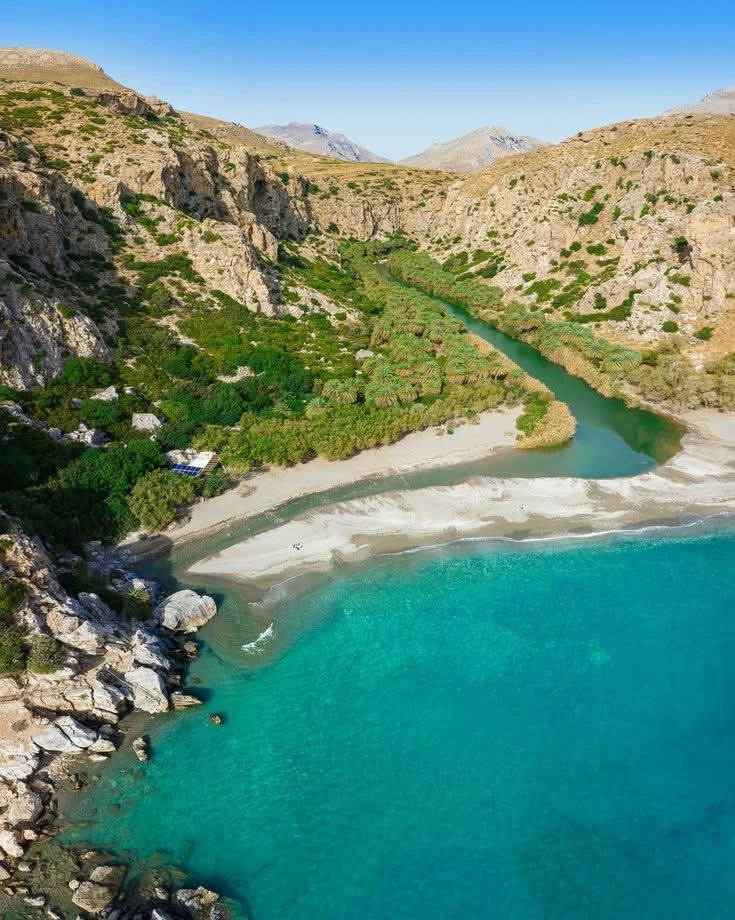
An unexpected tropical oasis where the freshwater Megalopotamos river carves through a lush gorge to meet the Libyan Sea.

Preveli is more than a beach; it's a full ecosystem. After a descent of 400 steps cut into the cliff face — punishing under the July sun, magical at a September dawn — you step onto dark sand fringed by Crete's second-largest palm forest. The vegetation is dense and almost incongruous for a Mediterranean island: oleanders, reeds, and Cretan date palms some of which rise over fifteen metres.

What makes Preveli singular is the Megalopotamos river, which flows directly onto the beach. You can swim in its fresh, cool water — noticeably colder than the sea — beneath the shade of the palms, then stroke out into the Libyan Sea just a few metres away. That layering of fresh and salt water, forest and open ocean, creates an atmosphere you will not find anywhere else in Greece.

Wade upstream through the riverbed and you discover a series of natural pools, increasingly sheltered from the wind and from the crowds on the main beach. The Kourtaliotiko gorge that feeds the river opens up a few kilometres inland and is accessible from the Rethymnon road — a good alternative for those who want to skip the 400-step descent.

Preveli has a history beyond its landscape. The monastery perched on the cliffs above sheltered Allied soldiers during the German occupation in 1941, before evacuating them by submarine from the beach below. The story is still legible in the monastery walls, which make a natural pairing with the beach in a single day trip.

Highlights

  • A dual landscape: river and sea together
  • A resilient and majestic palm forest
  • Spectacular panoramic views on the hike down

Good to know

  • The descent and climb back of 400 steps in blazing sun is physically demanding
  • Very crowded in July and August
💡

Tip

Arrive before 9:30 AM to have the palm forest to yourself. Don't just stay on the beach: wade upstream through the river to discover shaded natural pools.

UnmissableWildRomantic28°C · Sea 23–25°CParking
05
SouthCar-free village, reachable only by sea

Loutro & Sweet Water Beach

A fishing village frozen in time, ringed by sheer cliffs and washed by the Libyan Sea, where the only sound is the waves.

The total absence of cars and roads creates an unreal atmosphere. You reach it only by ferry from Chora Sfakion or after a hard hike. The white-and-blue façades recall the Cyclades, but the soul is fiercely Cretan. Thirty minutes' walk along a vertiginous path lies Glyka Nera (Sweet Water Beach), where icy fresh water springs straight out of the pebbles on the shore.

Loutro owes its existence to its horseshoe bay, one of the only naturally sheltered anchorages on the entire south coast. That refuge made it a harbour as far back as antiquity: the headland once held Phoinix, the port named in the Acts of the Apostles, and you can still make out the remains of a small Venetian fort wedged among the rocks. High above the village, the Anopoli plateau — home of Daskalogiannis, who led the 1770 revolt — rises several hundred metres straight out of the sea.

Above all, the village is the base camp for walkers on the E4 path, which hugs the coast here. Head west and two hours' walk brings you to Marmara beach at the mouth of the Aradena gorge, spanned by a dizzying iron bridge. Head east and the same trail reaches Glyka Nera and then Chora Sfakion; push further west and you reach Agia Roumeli, the exit of the Samaria gorge. Many string Samaria, Loutro and Sfakia into a two- or three-day loop, with the ferry as the connecting thread.

You don't come to Loutro for an hour — you sleep here. After dark, once the last ferry has gone, the waterfront shrinks to a row of tavernas serving the day's catch almost at the water's edge. Everything arrives by boat — supplies, water, even building materials — and water taxis run to the neighbouring coves for anyone wanting a beach to themselves. It's that imposed slowness, with no engine and no horn, that gives the place its worth.

Highlights

  • A sanctuary of absolute peace
  • Crystal-clear waters
  • No cars, no roads: total silence

Good to know

  • Getting there (by boat) takes some planning
  • In summer the small hotels are fully booked
💡

Tip

Book your stay well ahead in summer. For Glyka Nera, set off early and carry water: the path is steep and shadeless.

RomanticWildUnmissable29°C · Sea 24–26°C
06
CentreLiving medieval city, less crowded than Chania

Rethymnon Old Town

Rethymnon is often the city travellers discover after Chania and wish they'd chosen first.

The old town of Rethymnon is more compact and less photogenic than Chania — and that's precisely what makes it feel more genuine. The Venetian lanes are narrower, the facades less restored, and you still encounter families who have lived there for generations, with their cats, flower pots and laundry at the windows.

The Fortezza is one of the best-preserved fortresses in the eastern Mediterranean. Built by the Venetians in the 16th century to resist the Ottomans — unsuccessfully, as it fell in 1646 — it offers 360° views over the old town, the sea and the inland hills. Allow 90 minutes to walk it properly.

The Turkish lighthouse and the old harbour are less imposing than Chania's, but the atmosphere is different: fewer tourists, more local fishermen, and tavernas that still serve fresh fish at reasonable prices. The streets around Arkadiou retain genuine commercial life: grocers, bakers, artisan workshops.

Something guides often miss: Rethymnon has one of Crete's finest urban beaches, 12km long, directly accessible from the town centre. No car needed to swim.

Highlights

  • More authentic and cheaper than Chania
  • Remarkably well-preserved Fortezza
  • Long beach right in town
  • Good central position on the island

Good to know

  • Old town less spectacular than Chania
  • Heavy traffic on the main road
  • Fewer high-end restaurants
  • Limited nightlife outside peak season
💡

Tip

Rethymnon makes an ideal central base for exploring both the west (Chania, Balos) and the centre (Knossos) without excessive driving.

RomanticUnmissable27°C · Sea 25°CParking
Explore the interactive map →
At the table

The Cretan table

Eating well, eating right — without traps or laminated menus.

The mountain feast

The mountain feast

Antikristo, wood-fire cooking, and inland tavernas the guidebooks never mention.

Read →
Anatomy of a tourist trap

Anatomy of a tourist trap

8 warning signals for not eating in the wrong place in Chania.

Read →
The psarotaverna protocol

The psarotaverna protocol

Giant prawns, catch of the day and zero rip-offs — how to read a fishing harbour table.

Read →
All Cretan food writing

Before you leave

Best Hotels & All-InclusiveCar rentalHeraklion or ChaniaWeather & seasonsFAQItinerariesTavernas & food
Journal

The journal continues

New stories, itineraries and less-visited corners — as the seasons turn.

The site at a glance

Explore Crete by theme

All of Crète Immersion's content, clearly sorted. Pick a mood — we take you straight to the right guides.

Beaches & lagoons

Balos, Elafonisi, secret coves and comparisons to pick yours.

Authentic villages

Anogia, Archanes, Kritsa, Mochlos… the inland island, away from the beaches.

Gorges & hiking

Samaria and beyond: Richtis, Agia Irini, Aradena, the Kritsa gorge.

Wine & tavernas

Cretan wineries, native grapes and the art of eating in the villages.

Where to stay

The right base for your trip: Chania, Rethymnon, Heraklion, Agios Nikolaos.

Itineraries

From 5 to 14 days, day by day — or generated tailor-made to your wishes.

When to go

Month-by-month weather, sea temperatures and the ideal seasons.

Practical

Renting a car, airports, eSIM, getting around stress-free.

◈ Crete Immersion — Site Map

All our destinations & resources

Full site index — places, travel guides, food guides and practical tips.

21 places · 13 travel guides · 7 food guides

sitemap.xml
Explore the site
Plan my tripFree itinerary generator

Plan

Plan the trip

When to goHow many daysItinerariesWhere to stayBest hotels

On the ground

Getting aroundCar rentalHeraklion airportChania airportHeraklion or Chania?Internet & eSIMReal Talk FAQ

Explore

Beaches

Best beachesSecret beachesBalos or Elafonissi?FalasarnaSeitan Limania

Nature & adventure

Gorges & waterfallsThings to doActivities & toursBoat cruisesSantorini day trip

Culture & history

Knossos (tickets)SpinalongaLato (Dorian city)Gournia (Minoan town)Battle of CreteAuthentic villages

Towns & villages

All placesAround Agios NikolaosSitia & the far eastKritsaMochlosAnogiaArchanesArgyroupoliMargarites

Food & wine

Tavernas & foodCretan dietWine & vineyardsPhoto gallery

Living here

Relocate to CreteProperty marketInvest